It can be heartbreaking to learn that your child is being excluded or hurt by peers in school. As parents, we often feel a mix of emotions—anger, sadness, and helplessness. While these feelings are valid, it’s important to respond in a way that supports our children emotionally and empowers them to cope with challenges.
Start with a Listening Ear
The first step is to maintain open and calm communication with your child. Create a safe space where they feel comfortable sharing their thoughts and feelings without fear of judgment or punishment. Let them know that they are not alone, and that you’re there to support them unconditionally. Reassure them that their emotions are valid and that what they’re experiencing matters.
Encourage them to express what’s been happening, how it makes them feel, and what they hope will change. Sometimes, children struggle to explain what they’re going through, so gentle prompting and lots of patience can help.
Speak to the Teacher
Once you’ve gained an understanding of the situation, consider approaching your child’s form teacher. Teachers are often in the best position to observe class dynamics and may be able to help mediate or uncover what’s really going on.
Sometimes, students are unaware that their actions are hurtful. Teachers can help guide them to be more aware and considerate. They may also be able to introduce your child to classmates who are more kind-hearted or open to making new friends. In some cases, small changes in seating arrangements or group assignments can make a big difference.
Engage the School Counsellor
If the issue is more serious or has been ongoing, involving the school counsellor can be very helpful. A trained counsellor can work with your child to better understand their feelings and to build confidence, resilience, and social skills.
These sessions can be handled with care and discretion so that your child doesn’t feel embarrassed. Counsellors may also help facilitate conversations between students when needed, creating a more supportive environment.
Look Beyond the Classroom
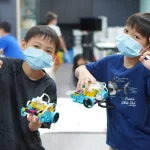
Encourage your child to build friendships through co-curricular activities (CCAs). CCAs provide a great space for students to connect over shared interests, whether it’s sports, music, robotics, or the arts. These friendships can be more natural and lasting, as they’re built around common passions.
If your child is hesitant to join new activities, offer to attend try-outs or open houses with them. Your presence can give them the confidence to take that first step.
Build Emotional Strength at Home
At home, help your child rebuild their sense of self-worth. Spend time doing things they love—go for a walk, bake something together, paint, or simply talk. These everyday moments show your child that they are valued and loved beyond what happens in school.
Praise their efforts, not just outcomes, and remind them of their strengths. Talk about people who faced difficulties but overcame them with courage and kindness. These stories can help children feel less alone and more hopeful.
Consider a Change if Needed
Sometimes, despite everyone’s best efforts, the school environment may simply not be the right fit. If the culture of the school is toxic or unsupportive, and your child is not thriving emotionally or academically, it may be time to consider a transfer.
This is a big decision and not one to be taken lightly, but many families have found that a change in school helped their child regain their happiness and confidence.
Teach Your Child to Choose Healthy Friendships
Help your child understand that not everyone will be a kind or true friend—and that’s okay. Teach them that friendship is about mutual respect, kindness, and acceptance. It’s better to have one or two loyal friends than to be part of a group that makes them feel small or hurt.
If they are receiving mean messages or being targeted online, guide them to block those contacts and report the issue to a trusted adult. Remind them: no one deserves to be treated that way.
Be Their Safe Place
Most importantly, remind your child every day that they are loved deeply, just as they are. Let them know that home is their safe place, and you are always there for them—no matter what happens at school.
Additional Resources
Support from Teachers and School Counsellors
Schools in Singapore have teachers and counsellors trained to support students facing social issues like exclusion or bullying. If needed, they may refer students to community mental health teams like REACH for extra help.
Social and Emotional Learning (SEL)
SEL is taught in schools to help children build confidence, manage emotions, and make friends. Parents can also learn how to support these skills at home through MOE resources.
REACH Mental Health Support
REACH teams work with schools to support students with emotional or behavioural challenges. Access is arranged through the school’s counsellor.
Early Support for Preschoolers (InSP)
The Inclusive Support Programme (InSP) helps young children in preschools who need extra learning or emotional support.
5. Parenting Help and Community Services
MSF offers parenting programmes, counselling, and family support. These resources are available through their website.
Let your calm and constant presence be their anchor. With your love and support, they will not only get through this—they’ll grow stronger from it.